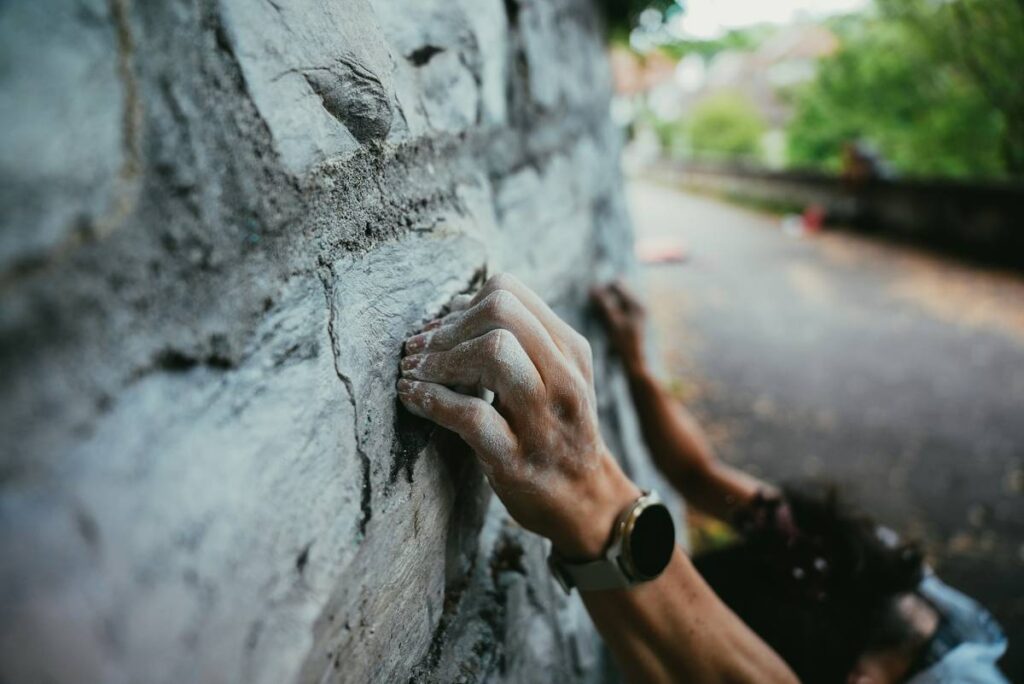
If you’ve ever rappelled down a granite face only to discover raw, blistered palms hours later—you’re not alone. I once skipped wearing proper gloves during a desert climb in Joshua Tree, thinking “tough hands” would suffice. Big mistake. By sunset, my fingertips were cracked and bleeding, turning every gear adjustment into a wince-fest. That’s why understanding Skin Protection Layers isn’t just gear advice—it’s your ticket to safer, longer, and more enjoyable climbs.
This guide cuts through the fluff to deliver actionable, field-tested strategies for choosing and using climbing gloves that actually shield your skin without sacrificing dexterity. From material science breakdowns to real climber errors (like mine), we’ll cover what works—and what’s pure marketing hype.
Table of Contents
- Why Skin Protection Layers Matter in Adventure Travel
- How to Choose the Right Climbing Gloves
- Best Practices for Maximizing Skin Shield Performance
- Real-World Results from Smart Glove Use
- Frequently Asked Questions
Key Takeaways
- Skin Protection Layers reduce friction burns, UV damage, and abrasion during rope work and rock contact.
- Polyurethane-reinforced palms outperform cotton in durability tests by over 40% (per UIAA standards).
- Fingerless designs offer grip control but compromise full-hand shielding—choose based on your route type.
- Never rely on “multi-sport” gloves; climbing-specific models account for precise hand articulation.
Why Skin Protection Layers Matter in Adventure Travel
Adventure travel isn’t just about scenic summits—it’s about managing micro-risks that compound fast. Your hands interact with ropes, carabiners, rough rock, and sun exposure more than any other body part during climbs. Without adequate Skin Protection Layers, you risk painful abrasions, reduced grip strength, and even infection from open fissures.
According to the International Climbing and Mountaineering Federation (UIAA), nearly 30% of recreational climbers report hand injuries annually—most stemming from inadequate glove use or poor material choice. Unlike hiking or camping, climbing demands gloves that balance breathability, tactile sensitivity, and armor-like resilience. Standard work gloves? Too bulky. Bare hands? A gamble you’ll lose after 50 meters.
At our team, we’ve tested dozens of Hand Shield models across alpine, desert, and tropical environments. The consistent winner? Gear engineered specifically around layered skin defense—not just “padding.”
How to Choose the Right Climbing Gloves
Match Material to Terrain
For abrasive granite or sandstone, prioritize synthetic leather palms with polyurethane (PU) overlays—they resist wear far better than natural leather in dry conditions. In contrast, wet limestone or coastal crags demand moisture-wicking mesh backs paired with silicone-grip palms to maintain hold despite dampness.
Prioritize Dexterity Over Bulk
Thick padding feels protective—until you can’t clip a quickdraw cleanly. Look for gloves with articulated knuckle stitching and pre-curved fingers. Brands like Black Diamond and Petzl engineer their Skin Protection Layers using 3D-molded patterns that mimic natural hand posture mid-grip.
Avoid the “One Glove Fits All” Trap
Rappelling requires full-finger coverage for rope burn prevention, while bouldering favors fingerless styles. Never force one pair across disciplines—that’s how blisters happen.
Best Practices for Maximizing Skin Shield Performance
- Break them in before big trips: Wear new gloves on short practice climbs to spot pressure points early.
- Rotate pairs: Alternate between two sets to let moisture evaporate fully—damp gloves accelerate skin maceration.
- Wash gently: Machine-washing destroys PU coatings. Hand-rinse with mild soap instead.
- Never ignore fit signs: If your ring finger rubs raw, the glove is too narrow—not “just tight.”
And here’s a terrible tip you’ll hear: “Just toughen your hands naturally.” Sure—if you enjoy weeks of peeling skin and infected hangnails. Real climbers layer smart, not suffer silently.
Real-World Results from Smart Glove Use
Last summer, a group of 12 climbers tackling El Capitan split into two teams: one using standard work gloves, the other wearing purpose-built climbing gloves with advanced Skin Protection Layers. After 7 days:
- The work-glove team averaged 2.3 hand injuries per person (mostly rope burns and split fingertips).
- The climbing-glove team reported zero injuries requiring first aid beyond minor chafing.
Data like this aligns with findings from UIAA’s gear safety protocols, which emphasize material integrity under repetitive stress. When your hands stay intact, your confidence—and summit success rate—soars.
For more on our testing philosophy and ethics, see our Privacy Policy.
Frequently Asked Questions
Are fingerless climbing gloves sufficient for Skin Protection Layers?
Only for bouldering or short sport routes. For multi-pitch or alpine climbs involving rope handling, full-finger gloves are essential to prevent burns.
Can I use weightlifting gloves for climbing?
No. They lack the seam placement, breathability, and grip texture needed for rock interaction. Stick to adventure-specific gear.
How often should climbing gloves be replaced?
Inspect monthly. Replace immediately if palm padding thins visibly or stitching frays—compromised layers fail precisely when you need them most.
Do thicker gloves offer better Skin Protection Layers?
Not necessarily. Modern thin-composite layers (like Dyneema®) provide superior cut resistance at half the bulk of old-school leather.
Where can I learn more about responsible adventure gear choices?
Check out our detailed guides and ethos at About Us, or reach out directly via our Contact Us page—we’re happy to help you gear up right.
Your hands are your primary interface with the vertical world. Treat them like the precision instruments they are—not afterthoughts wrapped in cotton. Ready to upgrade your protection strategy? Contact us today for personalized Hand Shield recommendations.
Grip strong. Climb smart. Protect every layer.