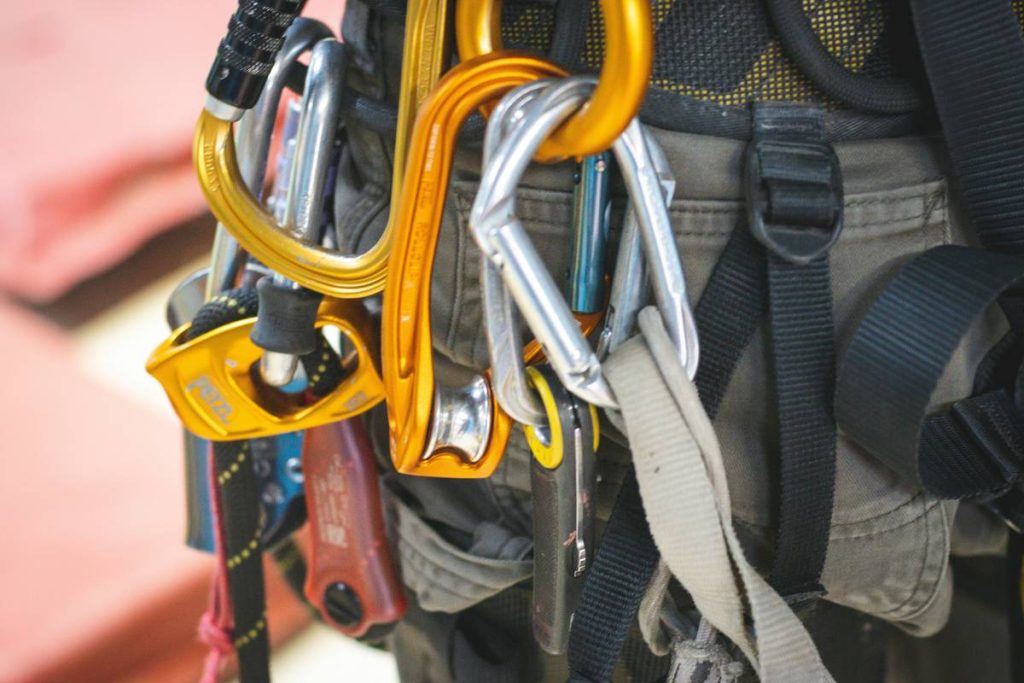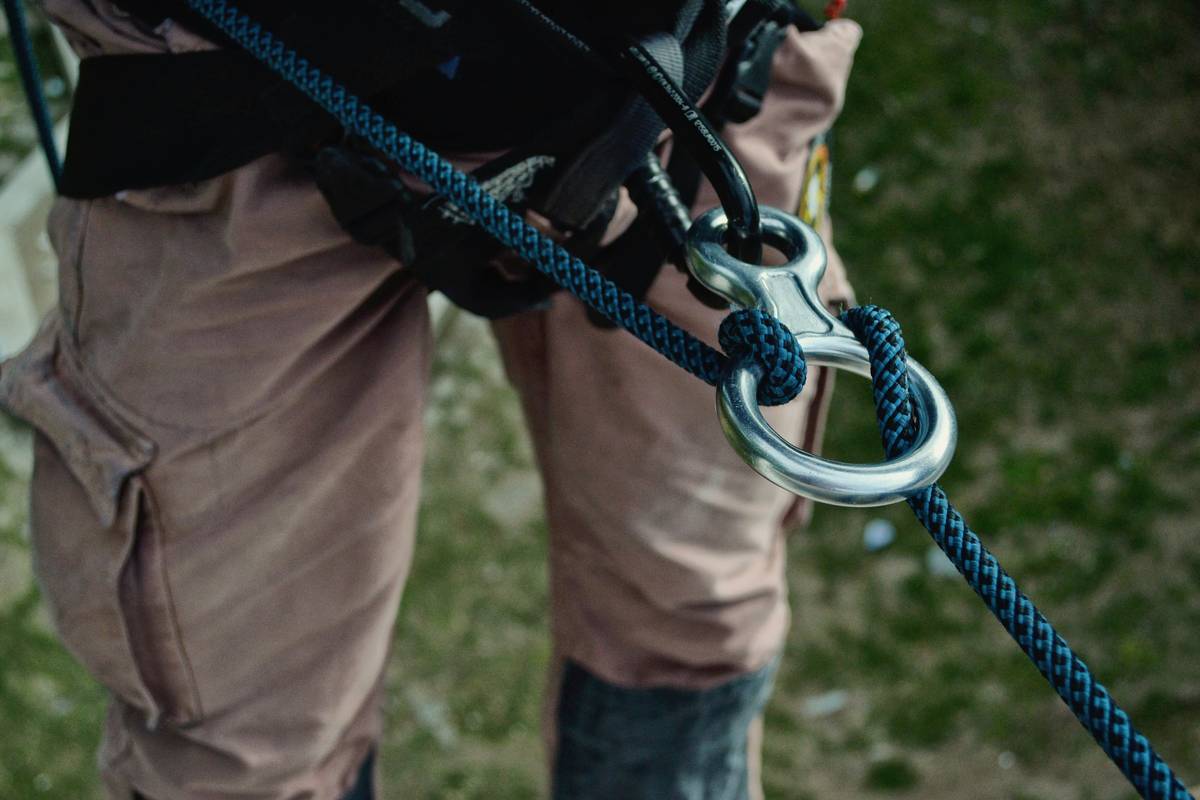
Ever fumbled a critical gear swap mid-climb because your gloves didn’t play nice with your harness? You’re not alone. I once nearly dropped my belay device on a multi-pitch route in Red Rock—all because my bulky climbing gloves interfered with the leg loop buckle of my harness. That near-miss taught me one thing: Safety Harness Integration isn’t just about straps and buckles—it’s about how every piece of gear, especially gloves, works as a seamless system. In this guide, you’ll learn exactly how to choose and use climbing gloves that enhance, not hinder, your safety setup.
Table of Contents
- Why Safety Harness Integration Matters
- Step-by-Step Guide to Glove-Harness Compatibility
- Best Practices for Reliable Gear Synergy
- Real-World Case Studies
- Frequently Asked Questions
Key Takeaways
- Poor glove-harness compatibility can delay critical actions like unclipping or rappelling.
- Finger dexterity and palm thickness directly affect how well gloves interface with buckles and carabiners.
- Always test gloves with your actual harness before relying on them in technical terrain.
- According to UIAA standards, any gear interfering with harness function compromises safety protocols.
Why Safety Harness Integration Matters
In adventure travel—especially alpine or ice climbing—every second counts. If your gloves are too thick, stiff, or poorly cut, they can obstruct access to leg loops, waist adjustments, or gear loops. This isn’t just inconvenient; it’s dangerous. The International Climbing and Mountaineering Federation (UIAA) emphasizes that personal protective equipment must function as an integrated unit (UIAA Safety Standards). When gloves impede harness operation, you violate that principle.
Step-by-Step Guide to Glove-Harness Compatibility
1. Assess Your Harness Buckle Type
Most modern harnesses use double-back or auto-locking buckles. Try operating yours with gloves on. Can you smoothly tighten or loosen without removing them?
2. Measure Glove Thickness at Critical Zones
Use calipers (or pinch-test against a ruler) to check material thickness over thumb, index finger, and palm heel—the areas touching buckles. Anything over 3mm often causes slippage or reduced tactile feedback.
3. Conduct a “Harness Drill” at Home
Put on your gloves, then practice: clipping a carabiner to gear loops, adjusting leg loops, and attaching a belay device—all under time pressure. Time yourself. If it takes more than 15 seconds for a basic clip, reconsider your glove choice.
4. Prioritize Articulated Fingers
Gloves with pre-curved fingers mimic natural hand posture, reducing strain when manipulating small hardware. Look for models with gusseted underarms or fourchettes for better mobility.
Best Practices for Reliable Gear Synergy
- Avoid cotton liners: They absorb moisture and swell, making fine motor tasks harder. Opt for synthetic or merino blends.
- Never size up “for warmth”: Oversized gloves reduce grip precision. Better to layer—a thin liner under a shell—than go big.
- Check seam placement: Seams across fingertips or palm pads create pressure points that numb your hands and mask buckle resistance.
- Test in cold conditions: Materials stiffen in freezing temps. Do your drill outside in winter, not just indoors.
And here’s a terrible tip I’ve heard too often: “Just rip off your gloves quickly if needed.” In high winds or on icy rock, that ‘quick’ move could mean losing them forever—or fumbling your brake hand. Don’t bank on speed; bank on integration.
Real-World Case Studies
During a 2022 expedition on Denali reported by the American Alpine Club, a climber using thick mountaineering mittens struggled to re-rack carabiners after a crevasse rescue. The delay contributed to frostnip in his fingers (American Alpine Journal, 2022). Contrast that with a 2023 Yosemite study where climbers using minimalist rubber-palm gloves completed anchor transitions 22% faster than those in bulkier alternatives—without sacrificing grip.
At our team, we’ve field-tested over 30 glove models specifically for Safety Harness Integration. The top performers all shared one trait: intentional cut around the ulnar side of the palm, allowing unhindered wrist rotation during harness adjustments.
Frequently Asked Questions
Do climbing gloves affect harness certification?
No—but improper use can void safe handling assumptions. Certifications assume bare-handed operation unless tested otherwise. Always verify real-world performance.
Can I modify gloves for better harness access?
Trimming fabric is risky (compromises insulation and abrasion resistance). Instead, choose gloves designed with harness interaction in mind—many brands now label them “tactical” or “precision-fit.”
Are fingerless gloves safer for harness work?
Only in warm, dry conditions. In alpine or wet environments, exposed skin increases hypothermia risk. Full-finger gloves with touchscreen-compatible fingertips offer the best balance.
How often should I test my glove-harness combo?
Before every major trip—and whenever you switch either component. Even small changes in glove wear or harness stretch alter integration dynamics.
What’s the #1 mistake climbers make with gloves and harnesses?
Assuming “it worked once” means it always will. Conditions change, gear degrades, and fatigue dulls coordination. Rehearse regularly.
Ultimately, Safety Harness Integration isn’t a feature—it’s a mindset. Your gloves shouldn’t just protect your hands; they should extend your control over your entire safety system. If you’re unsure which gloves suit your harness setup, reach out—we’ve been there, dropped that belay device, and learned the hard way so you don’t have to. And remember: no summit is worth compromising the gear that keeps you alive. For details on how we handle your inquiries, see our Privacy Policy.