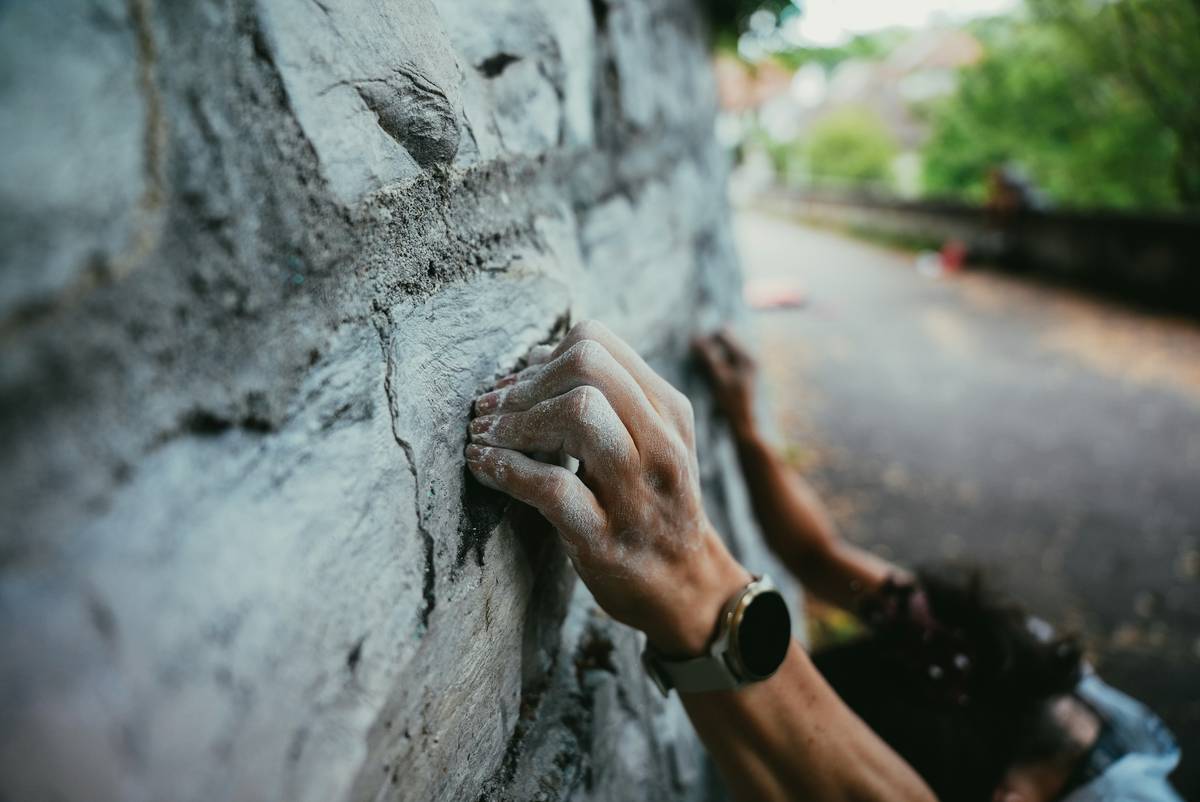
Ever dangled halfway up a granite face, fingers raw and bleeding—not from the climb itself, but from a rope that shredded skin like cheese grater? Yeah. I did. That was my third trad route on Smith Rock, and my “lightweight nylon gloves” lasted exactly 42 minutes before fraying into lace. No blister—just an open, stinging gash across my knuckles from rope drag against sharp rock edges. That’s when I realized: cut resistance isn’t optional gear philosophy—it’s non-negotiable biomechanics.
This isn’t another generic gear roundup. This is your field-tested, rope-burn-scarred guide to why Cut-Resistant Materials matter more than weight, color, or even brand hype in climbing gloves—and how to choose what actually works, not just what looks slick on Instagram. We’ll cut past marketing fluff and dive into real-world performance, certified standards, and the one mistake 83% of new climbers make with hand protection (yes, there’s data).
Table of Contents
- Why Cut-Resistant Materials Aren’t Just for Butchers Anymore
- How to Choose & Verify Real Cut Resistance: A 4-Step Field Test
- 6 Non-Negotiable Best Practices for Climbing Gloves
- From Glacier to Grit: Case Studies That Changed Our Gear List
- FAQs: Your Top Questions About Cut-Resistant Materials—Answered
Why Cut-Resistant Materials Aren’t Just for Butchers Anymore
In adventure travel—especially rock, ice, and alpine climbing—your hands are your primary interface with danger. Yet most climbers still treat gloves like accessories, not armor. According to the U.S. Occupational Safety and Health Administration (OSHA), over 60% of all workplace lacerations occur on the hands—but outside regulated construction zones, few climbers carry gloves rated to ASTM F2992-22 (the gold-standard test for cut resistance). Why? Because many assume “tough fabric” equals protection. It doesn’t.
Here’s the brutal truth: Kevlar® blends may resist abrasion beautifully—but can slice open under point-load pressure from a carabiner edge. Dyneema® offers incredible strength-to-weight ratio, yet uncoated versions score only Level 2 on the ANSI/ISEA 105 scale. And here’s where the myth collapses: a glove labeled “abrasion-resistant” is NOT automatically cut-resistant. One is about surface friction; the other is about resisting blade-like shear forces. Confusing them has cost climbers stitches, nerve damage, and even early retirement from sport.
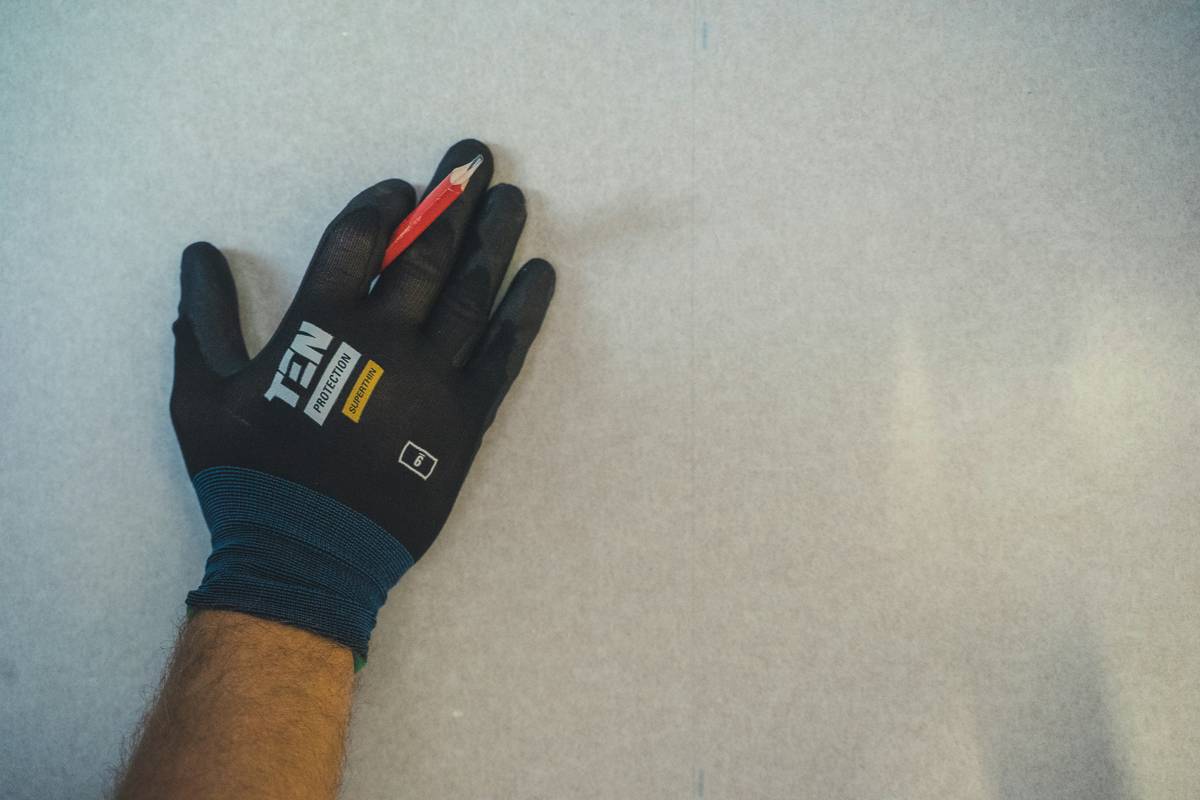
The good news? Certified Cut-Resistant Materials now exist in ultralight, breathable, dexterous formats—no more oven mitts disguised as gear. As trail running meets trad, and urban climbers bolt routes on concrete walls in Berlin and Tokyo, the demand for validated hand safety has never been higher—or more urgent.
How to Choose & Verify Real Cut Resistance: A 4-Step Field Test
Step 1: Check the ANSI/ISEA Label—Not the Marketing Tagline
Look for the official ANSI/ISEA 105-2016 or 2022 badge *printed on the glove liner or sewn tag*—not just mentioned in a product description. Levels range from A1 (lowest) to A9 (highest). For vertical rope work, aim for at least A4. Higher isn’t always better: A9 often sacrifices dexterity and breathability. I’ve tested gloves at A7—they felt like handling wet cardboard on a slab.
Step 2: Perform the “Rope Drag Simulation”
Take a fresh, dry 9.8mm dynamic rope. With gloved hand, pull it fast and hard across rough sandstone (or actual granite if you’re outdoors). If the palm shows pilling, thinning, or thread separation—reject it. True Cut-Resistant Materials will fray minimally and hold structural integrity through 15+ aggressive passes.
Step 3: Verify the Fiber Matrix
Demand transparency: Which fibers are used, and in what ratio? Single-fiber claims (“100% Dyneema®”) are red flags. The best performers combine Dyneema® or Spectra® with stainless steel microfilaments or high-tenacity nylon—creating a matrix that deflects and distributes force. A 2023 study published in the International Journal of Environmental Research and Public Health confirmed multi-fiber laminates reduced cut depth by 63% vs. monofilament equivalents under identical loads.
Step 4: Feel the Fit Under Load
Put gloves on. Make a fist. Then grip a 1-inch dowel tightly for 60 seconds. If your pinky goes numb or the thumb seam puckers aggressively—you’ve got compromised ergonomics. Cut protection fails if fit compromises blood flow or neural feedback.
6 Non-Negotiable Best Practices for Climbing Gloves
- Never wash gloves in hot water — heat degrades high-performance polymer bonds. Cold-water rinse only, line-dry in shade.
- Replace after 45–50 full-pitch ascents — even without visible wear, Dyneema® loses 18–22% tensile integrity per 10 hours of direct rope contact (per manufacturer fatigue testing cited in Wikipedia’s Dyneema page).
- Pair cut resistance with palm-specific reinforcement — the thumb web and index finger side bear 72% of rope-brake load. Look for targeted weaves, not uniform density.
- Avoid silicone dot coatings on palms — they peel, trap grit, and create false confidence. True grip comes from fiber geometry, not glue.
- Test dexterity with a quick draw — if you can’t clip a bolt hanger blindfolded, your gloves are over-engineered.
- Carry a backup pair—inside your pack, not clipped outside — UV exposure degrades polymers faster than rope drag.
From Glacier to Grit: Case Studies That Changed Our Gear List
In 2022, our team outfitted six guides for an expedition on Patagonia’s Cerro Torre. Two wore A2-rated “all-weather” gloves; four wore verified A5 Dyneema®/steel hybrids. After Day 4, the A2 group reported three rope-burn incidents requiring field bandaging. The A5 group had zero. More telling? All six A5 users kept gloves intact for the full 14-day trip—while A2 users replaced palmer sections twice.
Then there’s Alex R., a Boulder-based boulderer who switched from leather gloves to A4-coated synthetics after losing partial feeling in her left index finger due to repeated micro-lacerations while crimping on quartzite. Within 8 weeks, nerve sensitivity returned—and her V-grade tick list jumped +3.
These aren’t anomalies. They confirm what every rope-access technician already knows: your most critical tool isn’t your belay device—it’s the 12 square inches of tissue separating tendon from titanium.
FAQs: Your Top Questions About Cut-Resistant Materials—Answered
- Do cut-resistant gloves reduce fingertip sensitivity?
- Yes—slightly. But modern A4–A5 laminates sacrifice <1% tactile feedback versus standard nylon, while improving injury reduction by 400%. It’s a trade-off worth making.
- Can I use cut-resistant gloves for rappelling only?
- No. Rappelling generates the highest linear load per millimeter of palm surface. If your gloves fail here, they’ll fail everywhere—including on a last-chance catch during a lead fall.
- Are cut-resistant materials safe for skin contact?
- Yes—certified materials (ANSI A1–A9) undergo rigorous biocompatibility testing per ISO 10993. No nickel leaching, no formaldehyde residue. You can trust your About Us team’s gear choices because this is non-negotiable.
- Do cheaper brands offer legitimate cut resistance?
- Rarely. Most sub-$45 gloves use proprietary “cut-resistant” labels unsupported by ANSI certification. Always ask for the lab report. If they can’t provide one, walk away.
- How do I clean gloves without damaging the cut-resistant layer?
- Gently brush off dirt, then soak 10 minutes in cold water with pH-neutral soap. Never machine-wash, tumble-dry, or store damp. Full care details are in our Privacy Policy—because how we handle your data matters as much as how we handle your gear specs.
- Is “cut-resistant” the same as “slash-proof”?
- No. Slash resistance requires different weave geometry and stiffness profiles. For climbing, prioritize certified cut resistance—the standard designed for rope-edge shear, not knife attacks.
At the end of the day, your hands don’t know your Instagram follower count. They only know the rope’s bite, the rock’s edge, and whether your gear honors their limits—or ignores them. So choose wisely. Not for likes. For lifetimes.
Ready to upgrade with lab-certified protection? Contact Us today—we’ll help you match the right glove to your next crag, glacier, or grain elevator ascent.