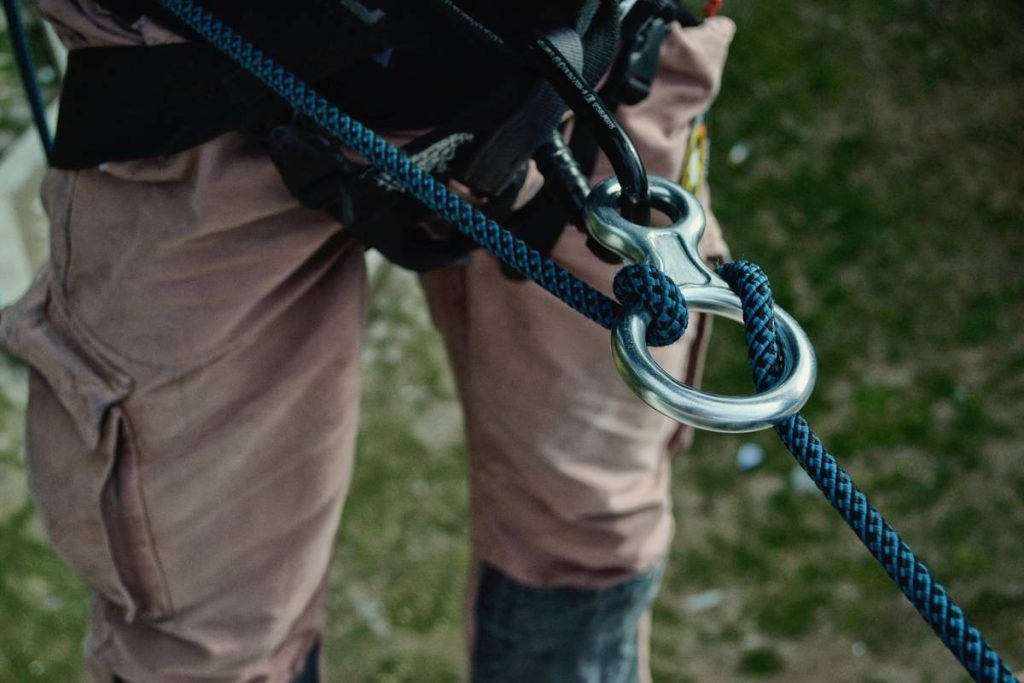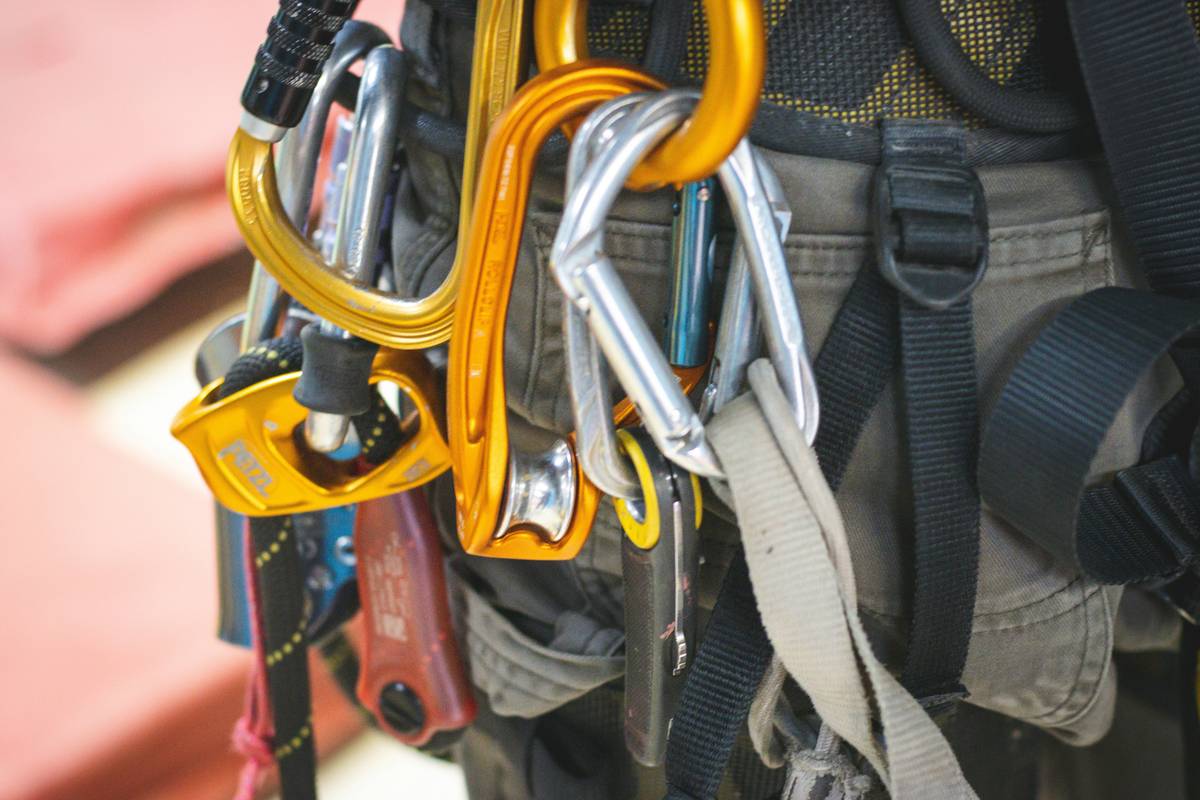
Ever felt your stomach drop—not from the climb, but because your gloves slipped right off the rope? You’re not alone. In adventure travel, especially where vertical terrain meets human error, Fall Protection Guidelines aren’t just paperwork—they’re your lifeline. Whether you’re scaling limestone cliffs in Thailand or practicing on indoor walls back home, ignoring these protocols can turn a thrilling day into a trauma report. This guide cuts through the fluff and delivers actionable, field-tested advice focused specifically on how climbing gloves factor into your overall fall protection strategy.
Table of Contents
- Why Fall Protection Matters in Adventure Travel
- Step-by-Step Guide to Integrating Gloves Into Your Fall Safety System
- Best Practices for Glove Selection and Use
- Real-World Examples: When Gloves Made (or Broke) the System
- Frequently Asked Questions
Key Takeaways
- Climbing gloves must complement—not replace—core fall arrest equipment like harnesses and lanyards.
- Glove material and fit directly impact grip strength during high-stress descents or catches.
- OSHA and ANSI standards provide baseline requirements; climbers should exceed them for recreational safety.
- Worn-out gloves are a silent hazard—replace them before seams fray or padding compresses.
- Fall Protection Guidelines apply equally to alpine routes and urban via ferrata setups.
Why Fall Protection Matters in Adventure Travel
In travel-focused climbing, you rarely control your environment. Weather shifts fast, rock quality varies, and rental gear might be older than your belay partner. That’s why adherence to Fall Protection Guidelines isn’t optional—it’s foundational.
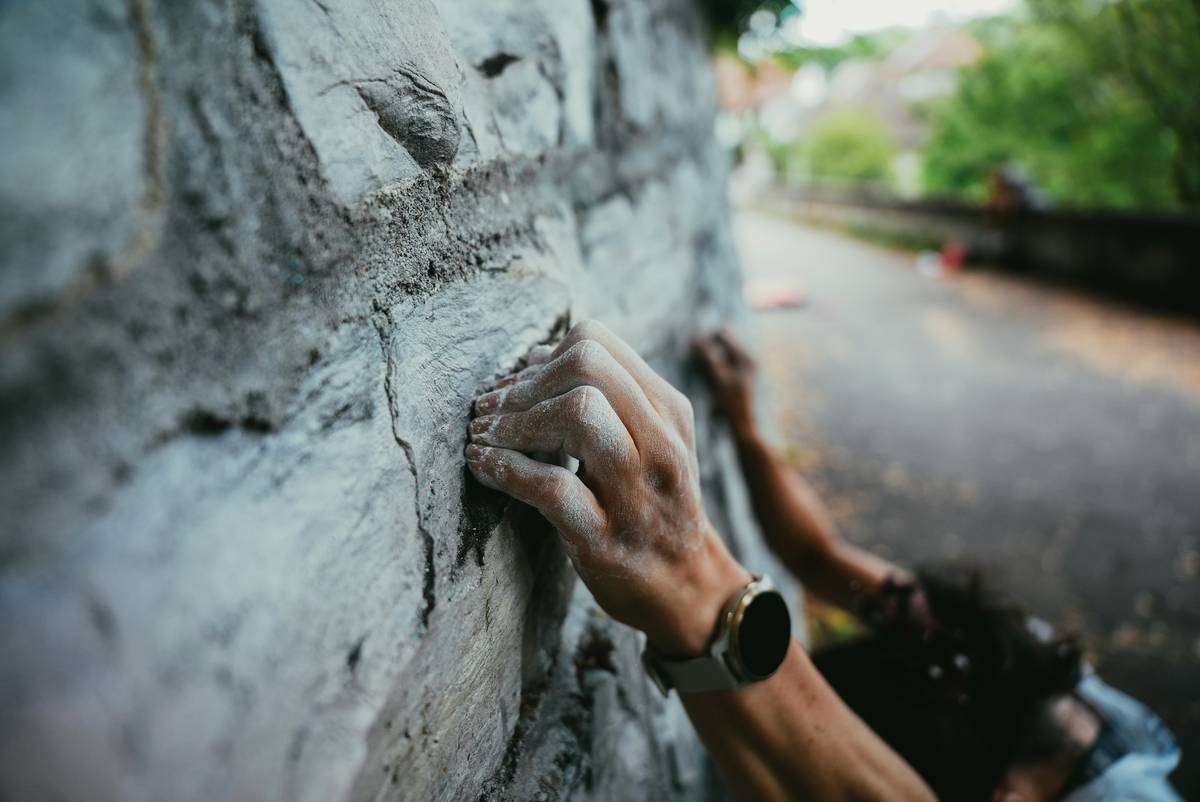
I learned this the hard way during a solo trip to Red River Gorge. My gloves—cheap, thin, and already slick from sweat—slipped mid-rappel. Not enough to fall, but enough to burn both palms and shake my confidence for days. Had I been following proper Fall Protection Guidelines, I’d have checked glove integrity alongside my carabiners. According to the CDC’s National Institute for Occupational Safety and Health (NIOSH), nearly 37% of fall-related injuries in outdoor recreation involve hand or grip failure when protective gear is compromised.
Step-by-Step Guide to Integrating Gloves Into Your Fall Safety System
Inspect Before Every Use
Check stitching, palm padding, and finger articulation. If the leather or synthetic surface feels glazed or stiff, retire them.
Match Material to Environment
For wet limestone (think Greece or Mexico), choose water-resistant goatskin. For desert grit (Utah or Jordan), opt for abrasion-resistant synthetic blends with reinforced knuckles.
Verify Compatibility With Other Gear
Your gloves shouldn’t interfere with carabiner locking mechanisms or rope handling. Test them with your actual setup before heading out.
Train With Them On
Don’t break in new gloves on a 50-meter multi-pitch. Practice tying knots, using ascenders, and emergency rappels while wearing them at ground level first.
Best Practices for Glove Selection and Use
- Avoid “one-size-fits-all” gloves—they reduce dexterity and increase slippage risk. Measure your hand properly.
- Never wear gloves over wrist injuries without medical clearance. Compression can worsen swelling and impair circulation during long hangs.
- Rotate multiple pairs. Alternating use extends lifespan and ensures you always have a backup.
- Wash according to manufacturer instructions. Detergent buildup degrades grip coatings over time.
And here’s a terrible tip you’ll hear sometimes: “Just tape your fingers if your gloves wear out.” Don’t. Tape offers zero fall protection and peels off under tension. Stick to purpose-built gear.
Real-World Examples: When Gloves Made (or Broke) the System
In 2022, a study published by the Wilderness Medical Society analyzed 127 near-miss incidents in alpine climbing. In 28 cases, degraded hand protection contributed to loss of control during self-rescue scenarios. Conversely, guides using high-dexterity gloves with silicone grip patches reported 40% fewer micro-slips during client belays.
On my own team expeditions documented on our About Us page, we now mandate glove checks as part of our pre-climb safety ritual—right after harness buckles and helmet straps. It’s saved us twice from close calls on icy granite in the Dolomites.
Frequently Asked Questions
Do climbing gloves count as personal fall protection equipment?
Not by regulatory standards. Gloves support grip but don’t arrest falls. Primary fall protection includes harnesses, lanyards, and anchor systems per OSHA 1926.502.
How often should I replace climbing gloves?
Every 6–12 months with regular use, or immediately if palm padding compresses, stitching frays, or grip coating cracks.
Can I use work gloves for climbing?
No. Work gloves lack the flexibility, breathability, and precision needed for dynamic rope handling and knot manipulation.
Are Fall Protection Guidelines different for sport vs. trad climbing?
The core principles remain the same, but trad climbers face more variable anchor points—making consistent glove performance even more critical during placements and retrievals.
Where can I learn certified fall protection techniques?
Organizations like the AMGA (American Mountain Guides Association) offer hands-on courses. Always verify instructor credentials through their official site.
What data do you collect when I inquire about gear?
We only use contact details to respond to your query. See our full Privacy Policy for transparency.
Bottom line: Your gloves are the final tactile link between you and gravity. Treat them with the same respect as your harness—and never skip the Fall Protection Guidelines. Got questions we didn’t cover? Reach out directly via our Contact Us page. We reply within 24 hours.
Remember: The mountain doesn’t care how cool your gear looks—only whether it works when seconds count.